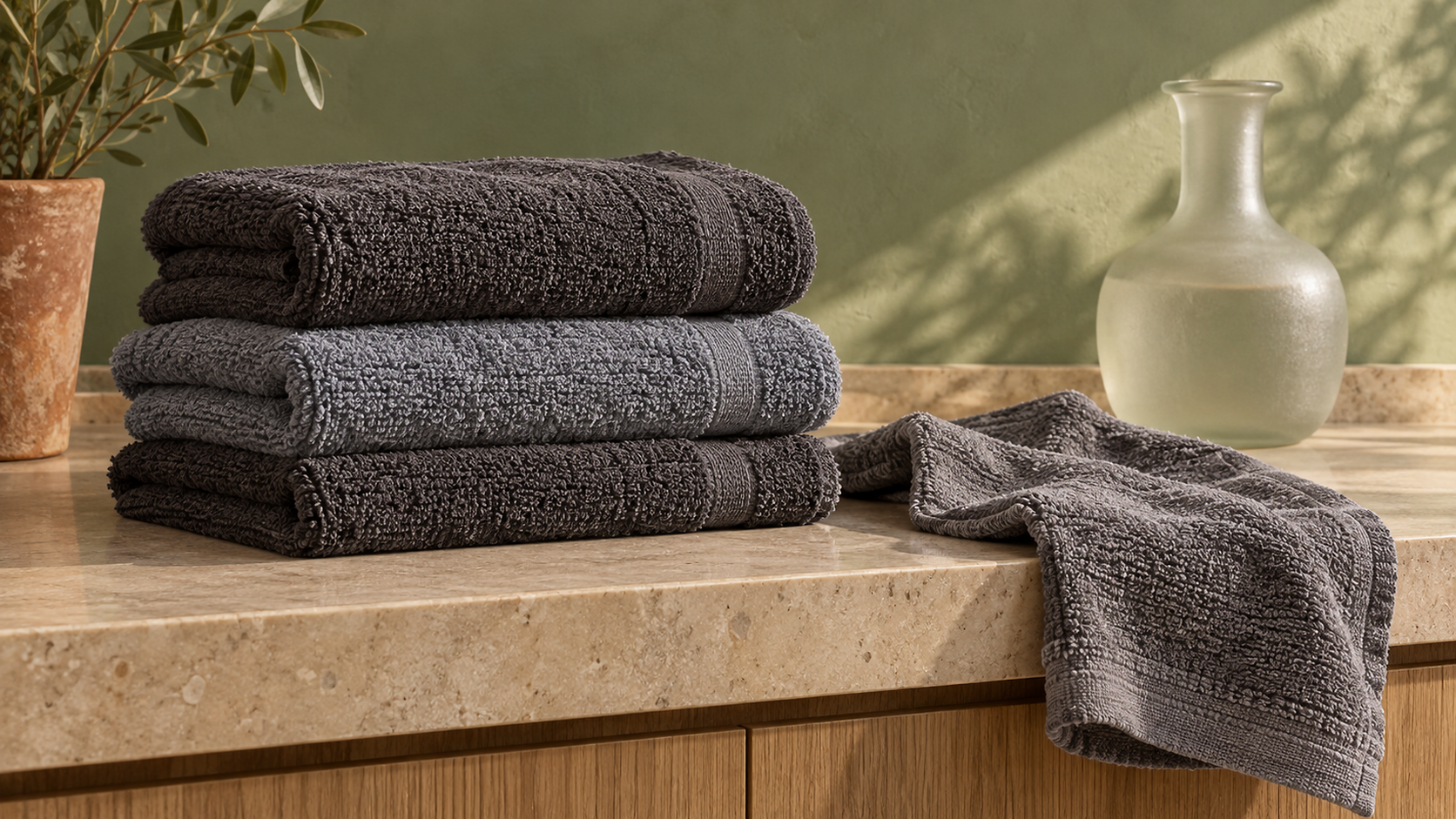
When freshly washed clothing feels boardy, stiff, or slightly waxy, the culprit is almost always accumulated detergent residue rather than too little fabric conditioner. Modern high-efficiency washing machines use very little water, meaning excess surfactant cannot rinse away, trapping dirt and tap minerals inside the weave. The safest first step is running the affected load through a complete wash cycle using hot or warm water with zero added detergent to assess how much lather is already trapped in the fabric.
How excess detergent degrades fabric feel and colour
Every laundry detergent relies on surface-active agents (surfactants) to lift body oils and particulate soils away from fibres, holding them suspended in the wash liquor until drained. When you dose beyond what the water volume and soil level require, the rinse cycles cannot dilute and evacuate the surfactant slurry. The surplus remains embedded between individual yarns.
As the fabric dries, these trapped surfactants harden, transforming soft cotton loops or knit synthetics into a rigid, cardboard-like matrix. Over time, this sticky microscopic residue acts as a magnet for airborne dust, shedding skin cells, and mineral salts from hard water, turning vibrant whites into dingy grey and muting bright colours behind an opaque coating.
Oversudsing also impedes the mechanical action of front-loading machines. Thick cushions of lather prevent garments from lifting and dropping against the drum, which is the mechanical friction needed to dislodge soil. Excess detergent paradoxically leaves laundry dirtier than an under-dosed load.
Signs of surfactant and mineral buildup
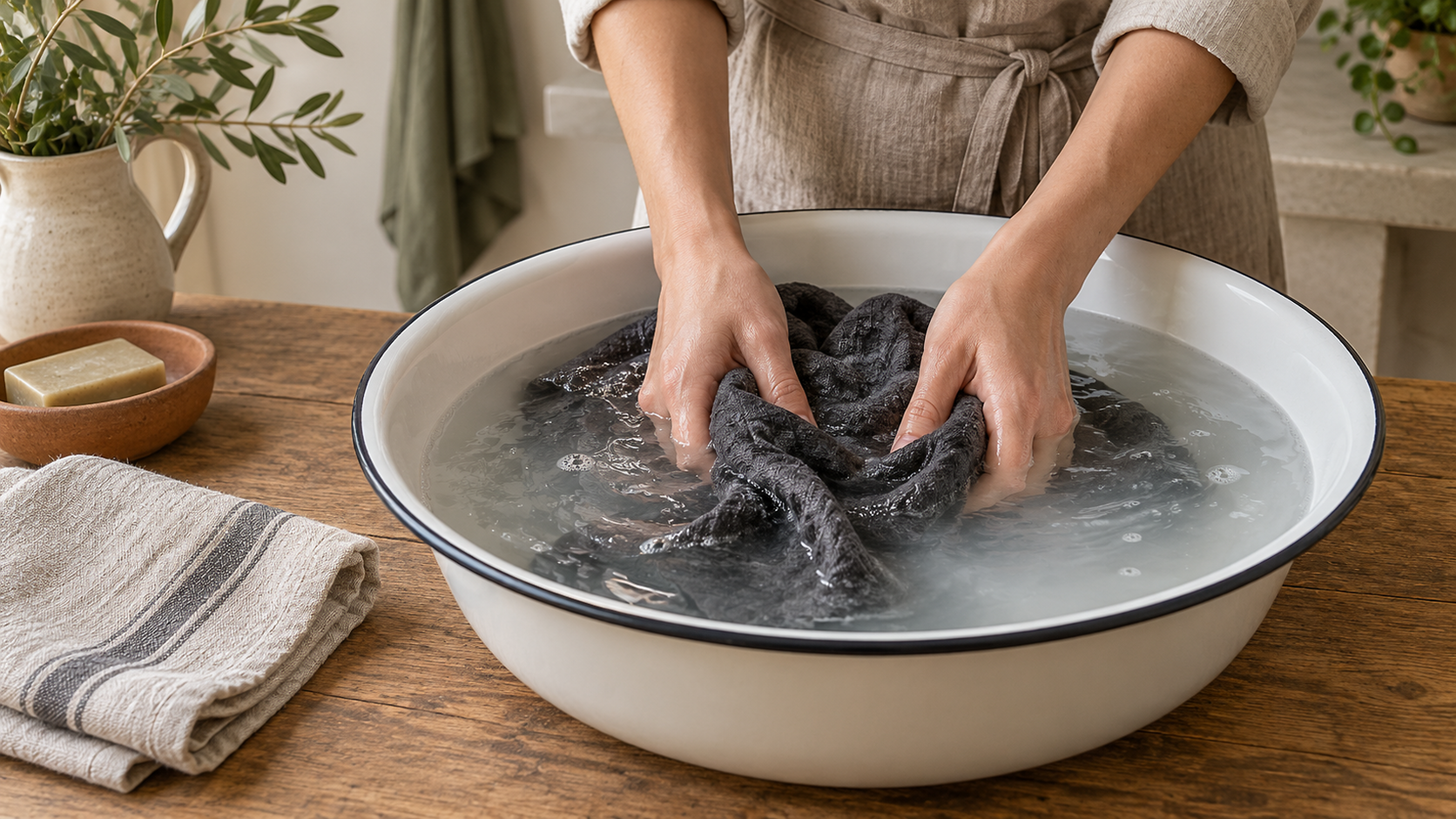
Detergent accumulation presents clear physical symptoms that distinguish it from standard fabric wear or water stiffness.
Inspect dry and wet garments for these telltale indicators:
- Stiff, non-absorbent towelling: Bath towels feel scratchy against the skin and smear water across your body instead of wicking it instantly.
- Tacky or gummed texture when wet: Re-wetting a clean garment causes it to feel slick or slippery before any soap is introduced.
- Persistent stale or sour odour: Body oils bind to the detergent film rather than washing away, providing sustained nutrition for mildew and bacteria deep inside the weave.
- Faded, chalky appearance: Dark fabrics display faint, irregular streaks or a generalised grey veil that does not brush off.
- Skin irritation: Unrinsed optical brighteners, preservatives, and fragrances remain in direct contact with the wearer, triggering contact dermatitis.
Step-by-step method to strip unrinsed detergent
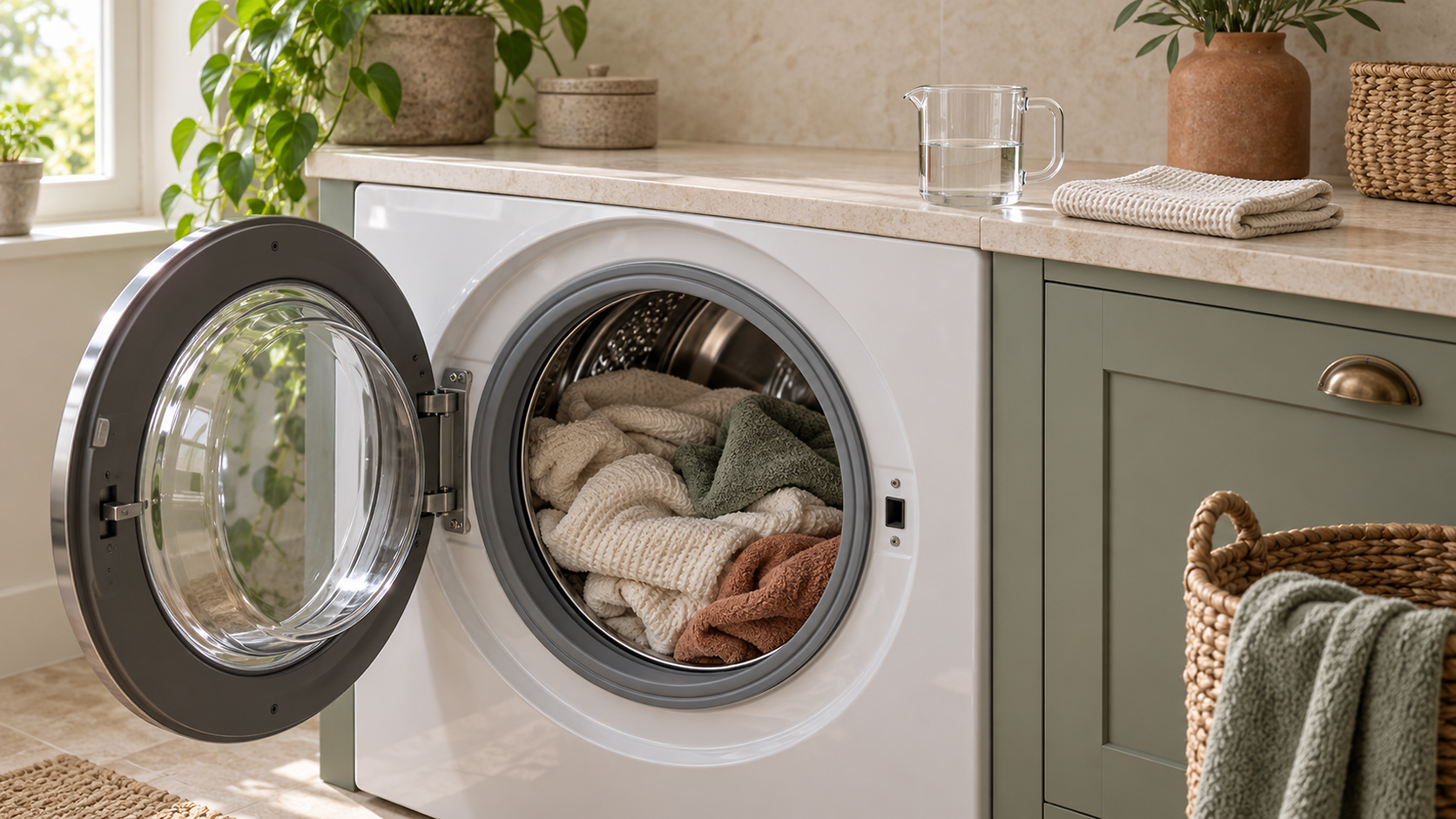
Restoring stiff textiles requires stripping out the trapped surfactants and associated mineral salts without degrading the base fibres. Do not add commercial laundry stripping powders containing harsh carbonates to delicate items.
Before treating the clothes, wipe out the machine dispenser drawer and rubber door seal to ensure you do not introduce old sludge back into the cycle.
Follow this sequence to flush residues from washable cottons, linens, and durable synthetics:
- Load the drum loosely: Fill the drum no more than half full with stiff items to maximise water circulation and physical agitation.
- Run a detergent-free warm or hot cycle: Select the highest water temperature permitted by the garments' care tags. Run a full cycle with nothing in the dispenser drawer.
- Monitor the rinse window: Observe the water during the wash and intermediate spin. If you see suds accumulating against the door glass, continue running detergent-free cycles until the water remains completely clear.
- Add a mild neutralising rinse (optional): For heavy cotton towels or workwear laundered in hard water, add 100 ml to 150 ml of standard distilled white vinegar (5% acetic acid) to the fabric conditioner compartment for the final rinse. The mild acid dissolves alkaline mineral scale and breaks the bond between surfactant and cellulose.
- Tumble dry without dryer sheets: Dry the items thoroughly on medium heat or line dry in moving air. Avoid dryer sheets, which coat stripped fibres with silicone or tallow compounds and re-clog the weave.
Fabric suitability and method limitations
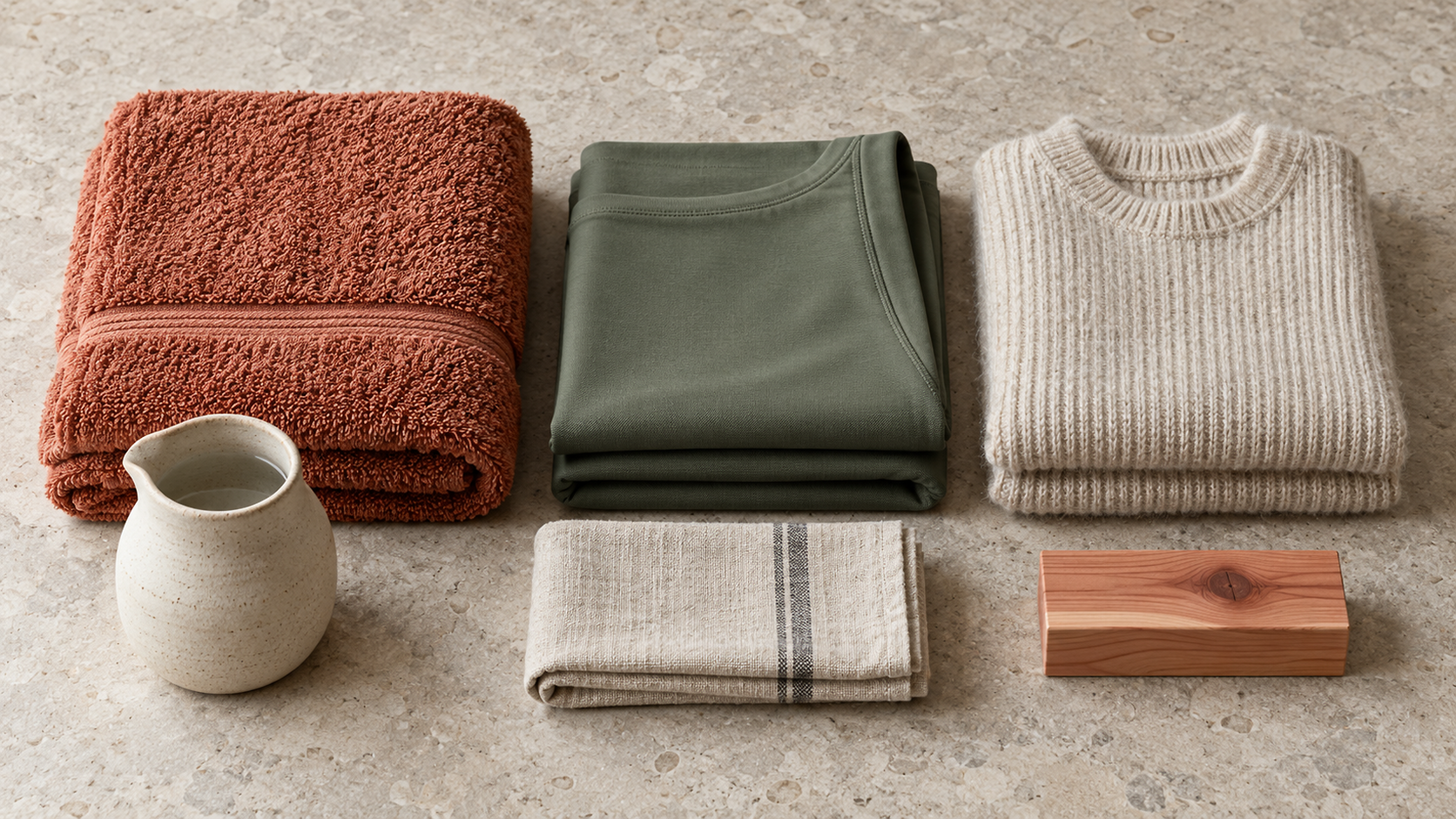
Different textile fibres react differently to detergent retention and subsequent stripping techniques. Natural cellulose fibres like cotton tolerate heat and mild rinsing acids well, whereas protein fibres and performance membranes require conservative handling.
| Material or finish | Suitable method | Avoid or stop when |
|---|---|---|
| Heavy cottons and linens (towels, bedding, plain weaves) | High-temperature water rinse; occasional mild acetic acid rinse in final compartment | Stop acid use if fabric contains elastane; avoid using raw soda crystals repeatedly on dyed cottons |
| Synthetic activewear (polyester, nylon, poly-blends) | Warm-water flush; pre-soaking in plain lukewarm water with hand agitation | Avoid hot water above 40°C; do not use commercial fabric softeners or oil-based spotters |
| Protein fibres (wool, pure silk, cashmere) | Cool-water gentle cycle rinses with neutral wool wash only; multiple clear water rinses | Never use vinegar rinses, high agitation, or oxygen bleach; stop immediately if wool begins to felt |
| Waterproof breathable outerwear (DWR-coated nylon/polyester) | Specialist technical wash cleaner followed by double warm clear rinses | Avoid standard laundry detergents completely; avoid vinegar or alkaline additives that strip DWR coatings |
Calibrating detergent dosage to prevent recurrence
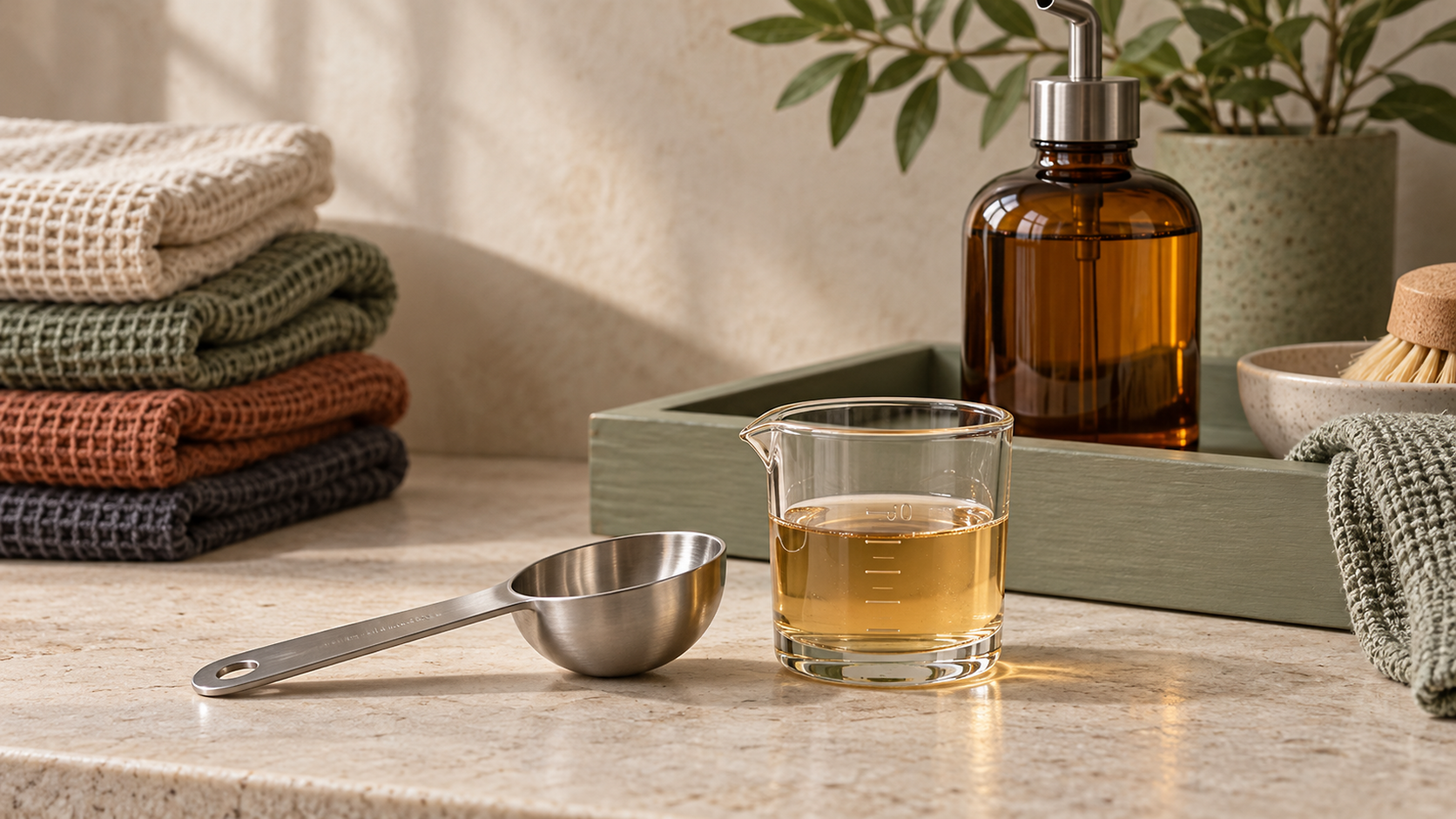
The dosage lines marked inside detergent measuring caps and scoops are routinely set by manufacturers for worst-case scenarios: exceptionally large loads, heavily soiled workwear, and extremely hard water. For an average everyday load, these recommended volumes are significantly too high.
For modern high-efficiency (HE) front-loading machines, two tablespoons (roughly 30 ml) of standard liquid detergent is generally sufficient for a normal 4 kg to 6 kg load of moderately soiled clothing in medium-water areas. If your home has a mechanical water softener installed, you may need as little as one tablespoon.
Powdered detergents must be measured with a dedicated kitchen measuring spoon rather than guessed with the included oversized scoop. In cold water washes, powders can fail to dissolve completely, compounding mechanical stiffness with raw undissolved granules. Dissolve powders in a cup of warm water prior to dispensing if washing below 30°C.
When to service the washing machine
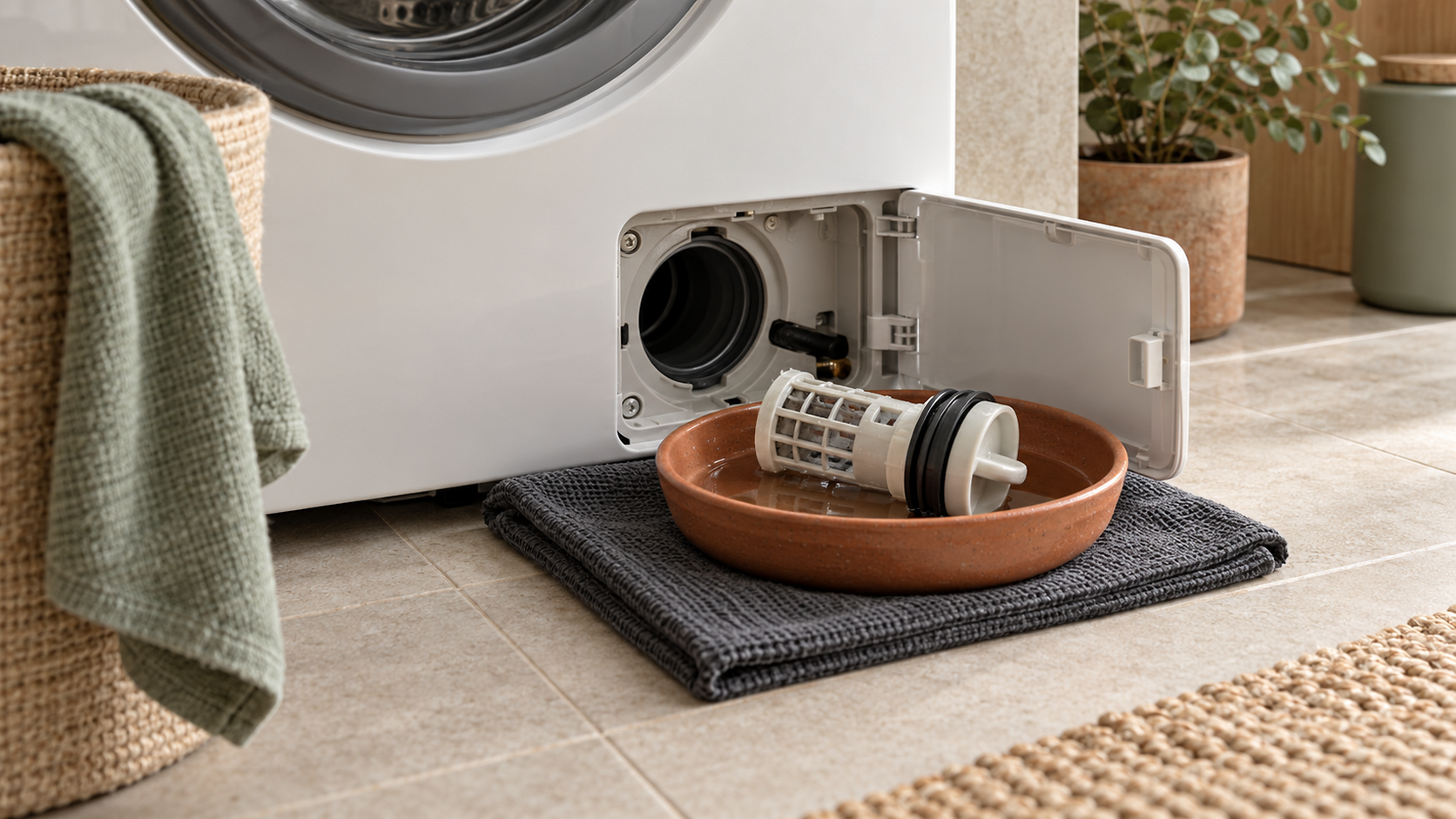
If laundry remains stiff and cloudy despite reducing detergent quantities to minimal levels, the restriction often lies within the appliance plumbing rather than your dosing habits. A washing machine that cannot drain freely leaves dirty, soapy water in the drum at the end of each spin, forcing the clothing to act as a filter.
Unscrew and clear the debris filter at the bottom front of the machine, catching residual water in a shallow tray. Check that the drain hose is not kinked and that the standpipe is not backing up during discharge cycles. Run an empty maintenance wash using an oxygen-bleach machine cleaner or citric-acid descaler at 60°C or higher once a month to clear dried surfactant mats inside the outer tub drum.
Further reading
Consult the source for its full care instructions and material restrictions.
American Cleaning Institute: Laundry Basics and DosingExternal reference · Opens in a new tab Which?: How to Use Laundry Detergent CorrectlyExternal reference · Opens in a new tab